Warm minimalism takes center stage
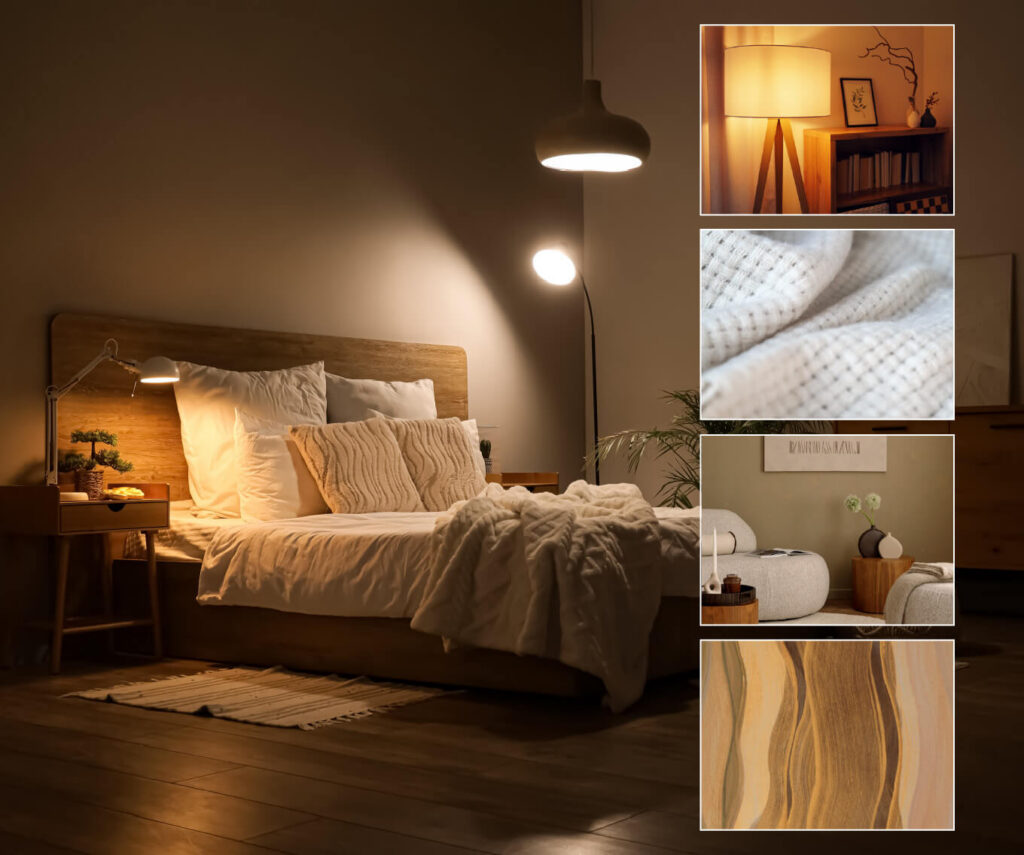
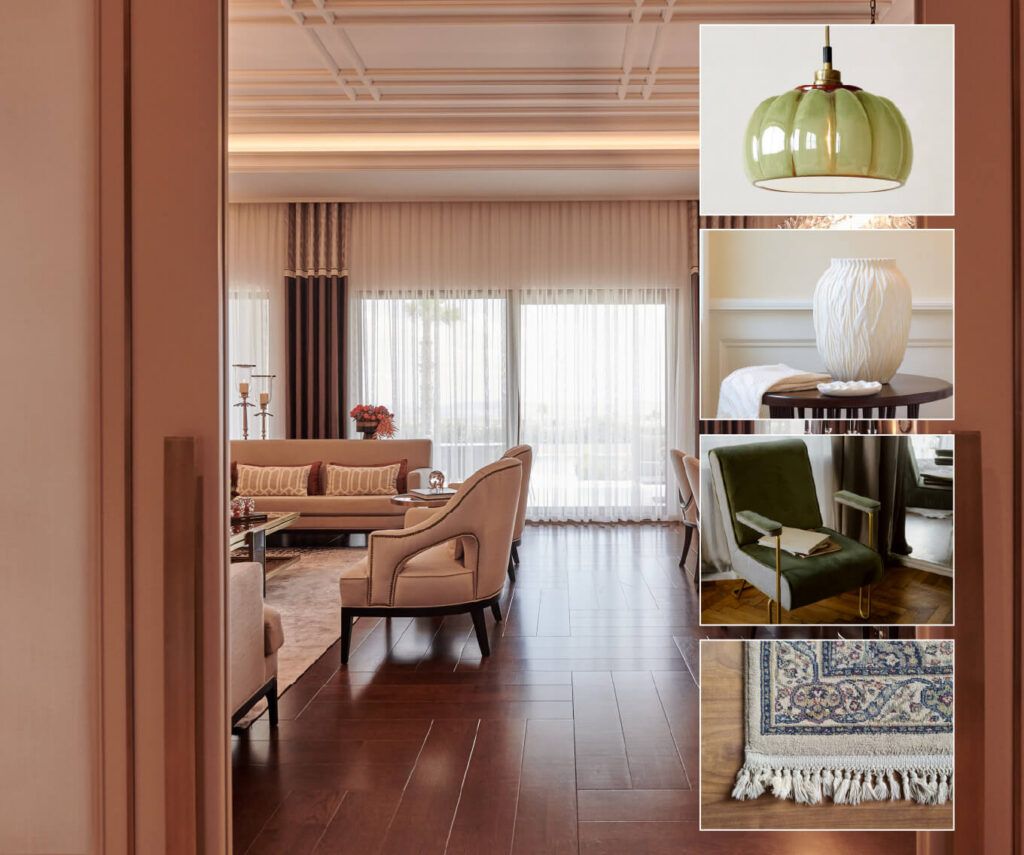
Minimalism isn’t going anywhere, but its tone is changing. In 2026, designers are embracing a warmer, softer version often referred to as slow or cozy minimalism. This evolution moves away from stark white rooms and ultra-sleek surfaces and toward spaces that feel lived-in, calming and grounded.
Clean lines and intentional layouts still matter, but they’re paired with natural textures and tactile materials. Think layered area rugs, woven textiles, warm wood tones, handmade ceramics and soft, neutral palettes rooted in cream, clay, sand and stone. Instead of rooms feeling sparse or overly curated, they’re designed to feel breathable and welcoming.
This trend also reflects a shift in mindset: fewer objects, but better ones. Each piece serves a purpose — whether functional, sentimental or emotional. In a time when homes are expected to be a sanctuary from constant digital noise, warm minimalism provides a sense of quiet comfort without sacrificing style.
Craftsmanship and sustainable luxury
One of the clearest common threads across 2026 design forecasts is a renewed appreciation for craftsmanship. As homeowners grow more conscious of sustainability and longevity, mass-produced “fast furniture” is falling out of favor. In its place: high-quality, artisanal pieces designed to last.
This trend shows up in handmade or vintage rugs, sculptural lighting and furniture crafted from natural materials such as wood, stone and metal. These elements add visual interest and depth.
Often described as sustainable luxury, this approach values where items come from and how they’re made. Pieces with traceable origins, local craftsmanship or reused and repurposed materials are especially appealing. Vintage and heirloom items also play a role, bringing character and history into modern homes.
In 2026, luxury isn’t defined by how new or trendy something looks — it’s defined by quality, intention and story
Maximalist expression: A return to color and pattern
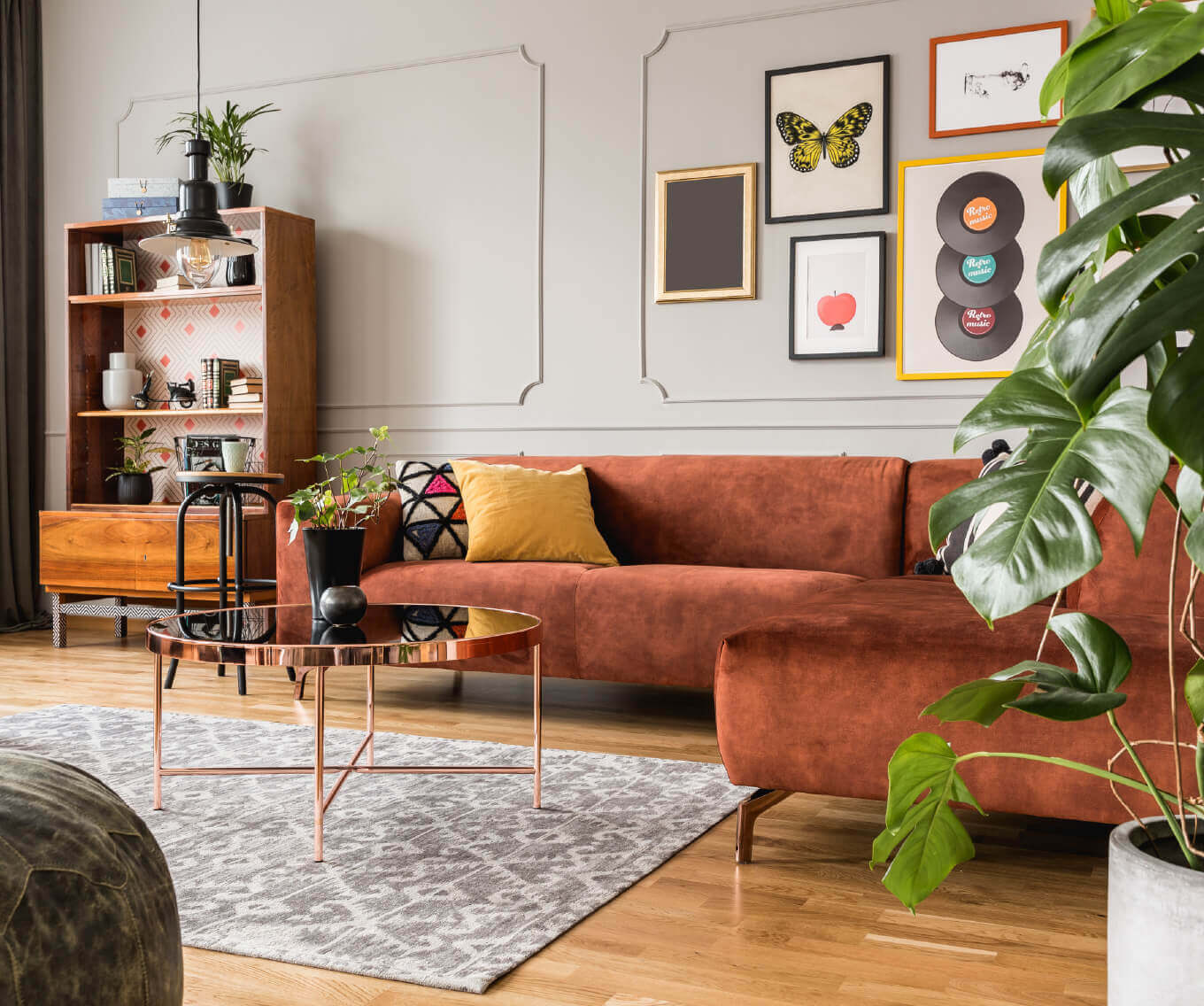
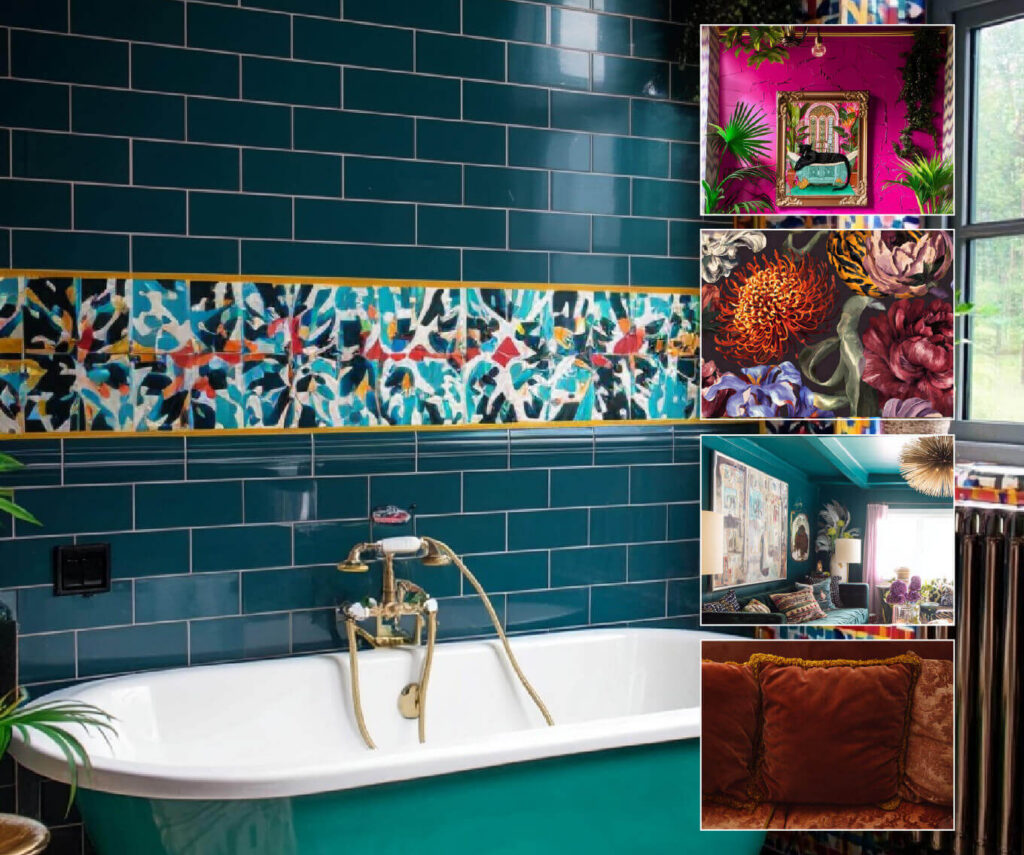
After years dominated by neutral interiors, color is making a strong and confident comeback. Design experts predict that 2026 homes will embrace richer hues, bolder patterns and a more expressive sense of style.
One technique gaining traction is color-drenching. This technique involves painting walls, trim, ceilings and even furniture in a single, saturated hue. Jewel tones, earthy greens, deep blues and moody browns are especially popular, creating immersive, enveloping spaces.
Pattern is also returning in layered, playful ways: patterned tile, wallpaper, textiles and mixed materials appear together rather than being limited to a single statement piece. Sculptural lighting and curvilinear furniture further soften rooms and add visual interest.
At its core, this trend celebrates individuality. Homes in 2026 aren’t meant to look like showroom replicas; they’re meant to reflect the people who live in them. Eclectic combinations, collected objects and bold design choices all contribute to spaces that feel authentic and deeply personal.
Purpose-driven spaces and functional zoning
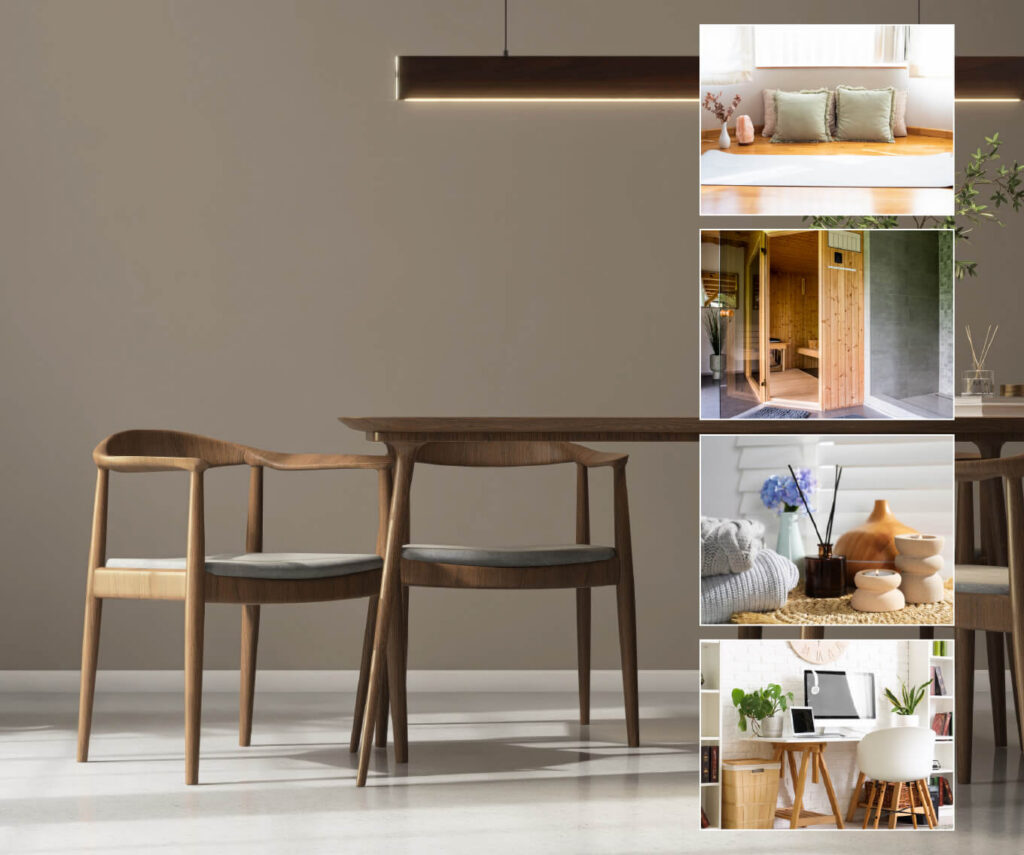
While open floor plans once dominated new construction, designers predict that 2026 will continue a shift toward more defined, intentional spaces. As lifestyles evolve, homeowners are prioritizing rooms that support specific needs.
Wellness-focused spaces are a major part of this trend. Meditation rooms, home spas, sauna setups, plunge tubs and calming sensory environments are becoming more common. The goal is to create areas dedicated to rest, mental health and physical well-being.
Outdoor living areas are also evolving into true extensions of the home. Covered patios, outdoor kitchens and cozy seating areas feel more like furnished rooms than backyard add-ons, thanks to improved weather-resistant materials, ambient lighting and soft textiles.
Inside the home, functional zoning is key. Rather than one large multipurpose space, designers are carving out distinct areas for cooking, dining, working and relaxing. These zones don’t necessarily require walls, but they do rely on thoughtful layout, lighting and furniture placement to create clarity and flow.
Historic details and heirloom architecture
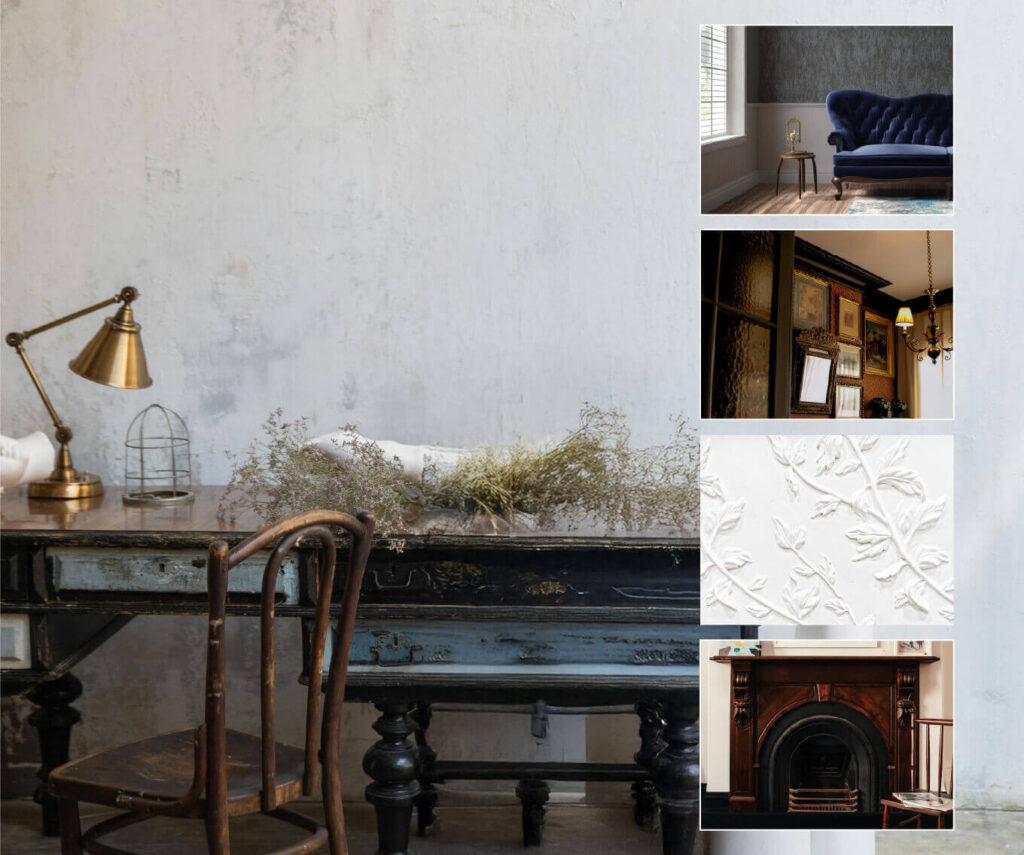
Another defining trend for 2026 is the return of historic and traditional architectural details. After years of flat walls and simplified interiors, homeowners are once again drawn to depth, ornamentation and craftsmanship.
Molding, wall paneling, decorative trims and plaster details are reappearing in both renovations and new builds. Furniture and lighting lean more sculptural.
This trend doesn’t signal a return to overly formal or traditional design. Instead, it reflects a desire to blend old and new. Finding ways to pair classic architectural elements with modern furnishings and layouts. Antique or vintage pieces are often mixed with contemporary design, creating layered interiors that feel timeless rather than trendy.
In an era where longevity matters more than ever, heirloom-inspired architecture offers a sense of permanence, warmth and history.
Design in 2026: Comfort, character and intentional living
Taken together, the top interior design trends for 2026 point to a clear shift in priorities. Homes are no longer just places to showcase style. They’re becoming environments meant to support well-being, reflect individuality and stand the test of time.
Whether through warm minimalism, handcrafted details, expressive color, purposeful layouts or historic architectural elements, 2026 interiors embrace comfort and character over perfection. The most compelling spaces won’t follow every trend, but they’ll thoughtfully incorporate the ones that align with how people truly live.
For homeowners planning updates, renovations or future moves, these trends offer inspiration that goes beyond aesthetics. They represent a broader movement toward homes that feel personal, grounded and genuinely livable.