What is a chattel loan for a manufactured home?
A chattel loan is a loan secured by movable personal property rather than real estate. In manufactured housing, a chattel loan generally finances the home itself rather than the land or lot where it is placed. Chattel loans may also be referred to as chattel mortgages.
With a chattel manufactured home loan, the lender’s lien is typically on the home rather than the land. That differs from a traditional mortgage secured by real property, where the home and the land generally serve as collateral.
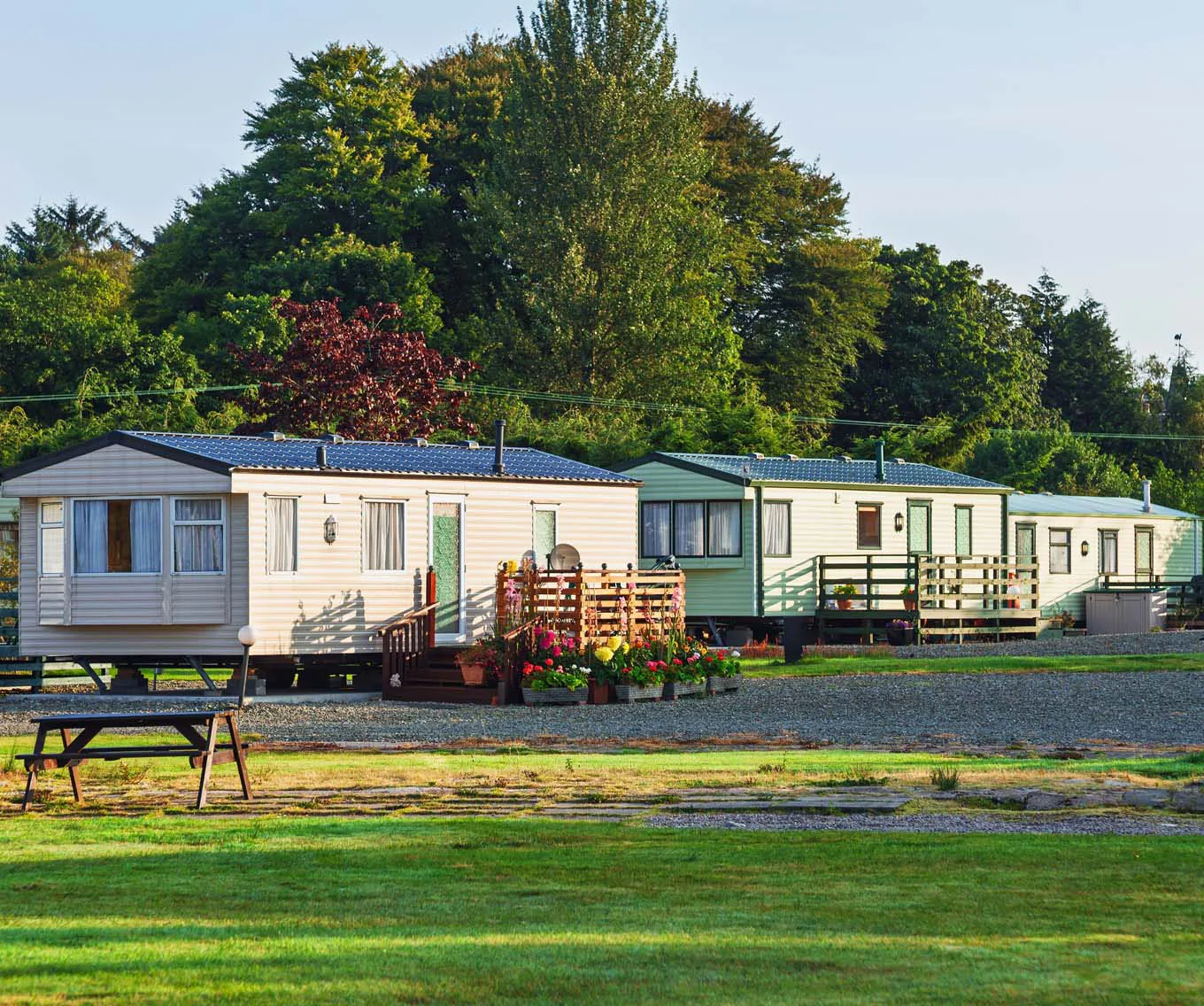
This type of financing is commonly associated with manufactured homes located on leased land, such as in a manufactured home community or mobile home park, or in other situations where the home is titled as personal property.
For example, a HUD-code manufactured home placed in a leased-lot community may be titled as personal property. Financing for the home may therefore be structured differently from financing for a manufactured or modular home fixed to private land that qualifies as real property.
How a manufactured home is titled and classified varies by state and transaction. A home may need to meet specific installation, foundation, title and property requirements to qualify as real property for a particular mortgage program.
Chattel loans vs. traditional mortgages
One of the main differences between chattel financing and mortgage financing is how the manufactured home and property are classified and used as collateral.
A mortgage loan used to finance a manufactured home generally requires the property to satisfy the applicable loan program’s real property, foundation, title and other eligibility requirements. Requirements vary by conventional and government-backed program.
A chattel loan generally finances a manufactured home that’s treated as personal property or movable property. Depending on the transaction, the land may be leased, separately owned or otherwise excluded from the loan collateral.
| Feature | Chattel loan | Mortgage financing |
|---|---|---|
| Typical collateral | Manufactured home | Qualifying real property, generally including the home and land |
| Property classification | Typically personal property (movable property) | Generally real property |
| Loan term | Varies by lender and transaction; often shorter loan terms | Varies by loan program; longer terms may be available |
| Interest rate | May be higher than mortgage financing | Varies by program, market conditions and borrower qualifications |
| Down payment | Varies by lender and borrower qualifications | Varies by loan program and borrower qualifications |
| Closing process | May involve a different title, appraisal and closing process | Generally includes real estate appraisal and title requirements |
How the home and land are owned, titled and classified can affect which loan options are available. Homes classified as personal property are generally financed differently from manufactured homes that qualify as real property.
When a chattel manufactured home loan can make sense
Chattel loans aren’t automatically better or worse than mortgage financing. They serve different property and ownership situations, so the right option depends on the home, land arrangement, available financing and the borrower’s circumstances.
A chattel loan may be an option when:
- The manufactured home is in a manufactured home community, in a mobile home park, on leased land or on land the borrower does not own
- The home is titled or classified as personal property (movable property)
- The land is not included as collateral for the financing
- The property does not meet the requirements for a particular real property mortgage program
Chattel financing can allow a buyer to finance the manufactured home separately from the land. Borrowers should compare the available terms, costs, consumer protections and long-term plans for the property before choosing a financing option.
Consider how long you plan to keep the home, whether you expect to purchase or change the land arrangement later, and how the financing fits your overall budget.
Typical loan terms, costs and requirements
Terms and eligibility requirements for chattel loans vary by lender, borrower qualifications, property characteristics, state law and other factors.
Loan length and loan payments: Chattel loans may have shorter repayment terms than some traditional mortgages. A shorter term can result in a higher monthly payment, although the total cost depends on the rate, term, loan amount and other loan features.
Down payment: Down payment requirements vary. The amount required may depend on the lender, borrower qualifications, home and transaction.
Credit expectations: Credit and underwriting standards vary by lender. A borrower’s credit history, income, debts and other financial information may affect eligibility and available loan terms.
Interest rates: Mortgage interest rates for chattel loans may be higher than rates available for some mortgage loans secured by real property. Actual rates depend on the lender, market conditions, borrower qualifications, property and other factors. Chattel loans typically have higher interest rates than traditional mortgage loans.
Other requirements: Lenders may also consider income, debt obligations, the age and condition of the manufactured home, its location and applicable construction or safety standards. Requirements vary by lender and program.
Other financing options for manufactured homes
Not all manufactured homes require chattel financing. Depending on the property and borrower qualifications, conventional and government-backed mortgage programs may provide alternative financing options for eligible manufactured homes.
-
Conventional Loans
Conventional loans, including certain Fannie Mae and Freddie Mac programs, may be available for qualifying manufactured homes. Eligibility generally depends on factors such as the home’s foundation, property classification, title and applicable lender requirements. Conventional financing typically requires the manufactured home to be classified as real property.
-
Government-backed loans
Government-backed loans, including FHA, VA and USDA financing, may also be available for qualifying manufactured homes. Each program has specific requirements regarding the home’s foundation, property classification, site, title and other eligibility criteria. Certain programs may permit qualifying leasehold arrangements.
Financing requirements, loan limits and property standards vary by program and may change over time. A licensed loan officer can help borrowers understand their options and determine which financing programs may be available for their specific property.
Pros and cons of chattel loans for manufactured homes
When comparing chattel financing with mortgage financing, consider both the flexibility of financing the home separately and the potential long-term costs and limitations.
Potential advantages:
- Can finance a manufactured home separately from the land.
- May be available when the home is located on leased land or titled as personal property.
- May involve a different title, appraisal and closing process than a real property mortgage.
Potential drawbacks:
- Interest rates may be higher than rates available for some traditional mortgages.
- Repayment terms may be shorter, which can affect monthly payments.
- Because land ownership is not necessarily included in the financing, the borrower’s equity and appreciation experience may differ from owning both the home and land.
- Default and repossession rights and procedures can differ from mortgage foreclosure and vary by state and loan agreement.
- Consumer protections, default procedures and borrower rights can differ from those that apply to mortgages secured by real property.
Every borrower’s situation is different. Review the terms of any financing carefully and consider speaking with a qualified professional about the loan options available for the property.
How CrossCountry Mortgage helps you evaluate your options
Manufactured home financing depends on factors such as how the home is titled, whether land is included, the property’s foundation and installation, and the requirements of the available loan program.
A CrossCountry Mortgage loan officer can review your home and property details, discuss manufactured home mortgage programs available through CrossCountry Mortgage and help you understand whether the property may qualify for one of those financing options.
If a home is financed or titled as personal property, a loan officer can help explain how that classification may affect mortgage eligibility and what information may be needed to evaluate available options.
When you’re ready, explore manufactured home financing options or talk with a licensed loan officer about program availability and eligibility.
Frequently asked questions about chattel loans
-
Some chattel lenders finance pre-owned manufactured homes, but eligibility requirements vary. Lenders may consider the home’s age, condition, construction standards, location and other factors. Manufactured homes built on or after June 15, 1976, are generally subject to the federal HUD Manufactured Home Construction and Safety Standards. Confirm the lender’s property requirements before committing to inspections, moving costs or other expenses.
-
Interest paid on certain loans secured by a manufactured home may be deductible under applicable tax law, depending on the property, loan and taxpayer’s circumstances. Tax laws and individual circumstances vary, so consult a qualified tax professional regarding potential deductions.
-
Closing timelines vary by lender, transaction and property. Because chattel financing generally does not involve the same real estate title and land requirements as a traditional mortgage, the process may differ. Ask the lender for an estimated timeline based on the specific transaction.
-
Because the manufactured home generally serves as collateral for a chattel loan, missed payments can lead to default and potentially repossession. The process, notices, borrower rights and available options depend on the loan agreement and applicable law. If you expect difficulty making payments, contact the lender or loan servicer promptly to discuss available options.
-
Credit reporting practices vary by lender. If the lender reports the account and payment history to consumer reporting agencies, payment activity may affect your credit profile. Ask the lender whether and how the loan is reported.