What is a foreclosed home and how does the process work?
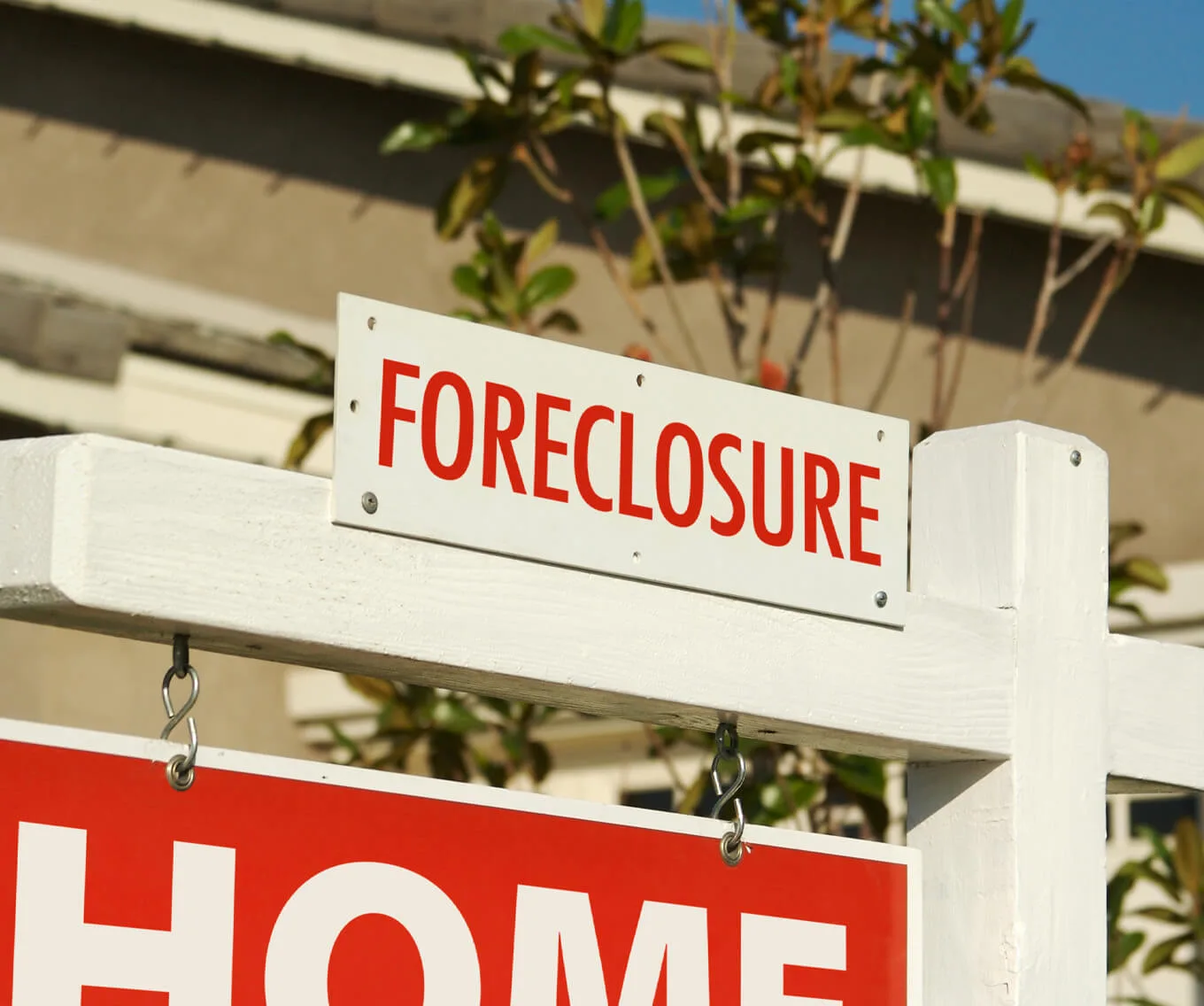
A foreclosed home is a property tied to missed mortgage payments. If a homeowner does not catch up, the lender may use the foreclosure process to take possession and sell the foreclosed property to recover losses.
The timeline varies by state, but federal mortgage servicing rules generally prevent a servicer from starting foreclosure until a borrower is more than 120 days late, according to the Consumer Financial Protection Bureau. After legal notice, the property may go to a foreclosure sale, public auction or become bank owned.
Here are the main terms:
- A foreclosed property is any property moving through or out of foreclosure.
- A foreclosed home is usually a residential house that has been foreclosed.
- Real estate owned, or REO properties, are owned by lenders after foreclosure.
- A bank owned property, also called a bank owned or REO property, has already gone back to the bank.
Lenders sell foreclosed properties to recover part of the loan balance. Many foreclosed homes are priced below market value, but foreclosed homes are often sold as-is without repairs, and repairs for foreclosed homes become the buyer’s responsibility.
Pros and cons of buying a foreclosed home
Buying foreclosed homes can be a good value for some buyers. It is not the right fit for everyone.
Potential benefits: A foreclosed home may have a lower purchase price than similar real estate nearby. Foreclosed homes can sell for 15% below market value in competitive markets. In some cases, foreclosed homes can sell for up to 30% below market value.
A buyer who can manage necessary repairs may build equity over time. A lender or bank may also be a more practical seller than an emotional homeowner. Foreclosure listings can add more choices during house hunting, especially when regular inventory is limited.
Potential drawbacks: Foreclosures are typically sold as-is, with no repairs made. Most foreclosures are sold as-is, requiring buyer inspections. There may be limited disclosures, hidden damage or missing appliances. Vacant foreclosures are susceptible to damage from squatters or vandalism.
For example, a buyer in 2025 might find a foreclosed house listed 10% to 15% below nearby sales. But if the roof, HVAC and foundation need work, the deal may be less attractive after repair cost, closing costs and back taxes are counted.
More competition exists for foreclosed homes priced below market value. Investors may offer cash, which can make some sale situations harder for financed buyers.
Types of foreclosed property purchases
“Buying a foreclosed home” can mean several different things. Each path has different stages, risks and timelines.
-
Pre-foreclosure and short sale
Pre-foreclosures allow buying directly from the homeowner before bank takeover. In a short sale, the owner still holds title, but the lender must approve a sale for less than the mortgage balance. Short sale properties may be occupied and in better shape, but negotiating with banks may take longer than with individual sellers.
-
Foreclosure auction
A foreclosure auction may happen at courthouse steps, on county websites or through online platforms. A public foreclosure auction is often fast and risky. The highest bidder may win, but buyers often cannot get the property inspected first.
Buying at auction often requires cash payment upfront. Auctions often require cash payments for foreclosed homes, and buying a foreclosed home often requires cash offers at auctions. A cash only auction may require a cashier’s check or certified funds the same day. Cash offers are often required at foreclosure auctions.
-
Bank owned or REO
REO homes are properties the lender owns after an auction does not produce a buyer. Foreclosed homes can be purchased at auction or through lenders, and REO listings are often placed on the MLS with an agent.
For many everyday buyers, bank owned property purchases are the most familiar. They can look more like a normal home purchase, with financing, appraisal, title work and a closing process.
How to prepare financially before buying a foreclosed home
Purchasing a foreclosed property requires thorough due diligence and financial preparation. The purchase price is only one part of the total cost.
Plan for potential costs and explore down payment assistance programs when available:
- Down payment: Some loan types may allow 3% to 5% down for qualified buyers. A 20% down payment may help avoid mortgage insurance. Investors often need more.
- Closing costs: Closing costs typically add 2% to 5% of the home’s price. On a $400,000 home, that could be $8,000 to $20,000.
- Repair reserve: Set aside money for repairs, utilities, safety fixes, locks, cleaning and contractor deposits.
- Hidden costs: Check for hidden costs associated with buying foreclosed properties such as back taxes or HOA fees.
Getting preapproved for a mortgage can speed up the buying process. Preapproval can speed up the financing process for foreclosures because banks selling REO properties often want proof that buyers can close.
A loan officer at CrossCountry Mortgage can help you estimate payment ranges, compare loan choices and understand how a foreclosed homebuying plan fits your broader budget.
Step-by-step: how to buy a foreclosed home
This buying process moves from search to closing. Some steps are similar to a normal purchase, but foreclosures add more review.
- Decide whether foreclosures fit your goals. Think about your comfort with repairs, vacant homes, delays and homes sold as is. A move-in-ready house may be easier if you have a strict deadline.
- Get pre-approved for financing. A lender reviews income, credit, debts and assets. A pre-approval letter can help with bank owned offers.
- Hire a real estate agent with foreclosure experience. Real estate agents specializing in foreclosures can help navigate complex processes. Look for an agent who knows foreclosure auction rules, bank addenda and REO procedures.
- Search for foreclosed homes. You can search online through major real estate sites, MLS alerts, foreclosure listings, county resources and bank portals. You can find foreclosures on bank and government websites.
- Narrow the list and estimate repairs. Walk through the property when allowed. Ask contractors about roofs, HVAC, plumbing and foundations.
- Make a competitive offer. Use recent sales, market value, repair estimates and your maximum purchase limit. A low offer may not win if the market is active.
- Have the property inspected. Employing a home inspector is crucial for assessing the condition of a foreclosure. A full home inspection by a professional home inspector can uncover safety, structure or system issues. Even if the home is sold as is, getting the property inspected gives you facts.
- Order appraisal and title work. A financed purchase usually needs an appraisal. A title search is recommended when buying an REO property. A title search is crucial to uncover potential liens, and a title search is recommended to check for liens on properties.
- Finalize your loan. Your mortgage lender may ask for updated documents, insurance or repair details. You may compare numbers from multiple lenders and use a mortgage comparison calculator, but clear guidance from one loan team can keep the process organized.
- Close and take possession. At closing, you sign documents, bring payment funds and transfer ownership. After the purchase, secure the property, change locks and start repairs.
Financing options for buying foreclosed homes
How buyers finance a foreclosed home purchase depends on the property condition and sale type.
Conventional mortgage: A conventional loan may work for an REO property if the home meets lender and appraisal standards. Major safety or habitability issues can affect approval.
Government-backed loans: FHA, VA and USDA loans may be available if the home meets program standards. VA loans are available for financing foreclosed homes, and Veterans Affairs benefits may help eligible buyers. Property condition still matters.
Renovation loans: FHA 203(k) loans and VA renovation loans finance purchase and renovation costs. These loans can help buyers roll certain repairs into financing, subject to program rules and lender approval.
Cash and private financing: Cash is common at auction. A public auction may require a deposit or full payment quickly, and auction buyers may not have time for a standard mortgage.
CrossCountry Mortgage offers a wide range of home purchase loan products, so buyers can compare options based on the condition of the foreclosed home, the expected repairs and the closing timeline.
Working with professionals: real estate agents, inspectors and loan officers
Foreclosed homes involve multiple levels of review. The right team can help reduce surprises.
A buyer’s real estate agent can find foreclosed properties, explain bank paperwork and help you decide whether a property is priced well. An agent can also communicate with the seller’s asset manager or servicer.
Inspectors help identify damage caused by neglect, vacancy, water or vandalism. Specialized inspections for sewer lines, roofs, pests, mold or structure may be worth considering.
A loan officer can estimate monthly mortgage payment options, explain loan conditions and help plan for down payment and closing costs. Ask about experience with bank owned properties, renovation loans and short sale timelines.
It can also be wise to hire an experienced real estate attorney to ensure a marketable title when buying foreclosures, especially in states with complex legal rules.
Risks to watch for with foreclosed properties
Buying a foreclosure can yield a significant discount but may involve hidden costs. The key is knowing what to look for before you commit.
Common risks include:
- Property damage: vandalism, stolen copper, missing appliances, broken pipes, water damage or deferred maintenance.
- Title issues: unpaid taxes, mechanic’s liens, HOA dues or claims from previous owners.
- Occupancy problems: Purchasing a foreclosure may require management of occupant eviction responsibilities.
- Financing risk: the appraisal may come in low, repair needs may block loan approval or rates may change before closing.
- Timeline risk: The process of buying a foreclosed home can take longer than traditional sales, especially short sales or bank reviews.
To reduce risk, carefully review disclosures, inspection reports, title documents, bank addenda and repair estimates before you decide to move forward.
Is buying a foreclosed home right for you?
Buying a foreclosed home may be a good fit if you have cash reserves, flexible timing and comfort with projects. It may also fit buyers who understand the local market for foreclosures by reading guides and tracking trends.
A traditional home purchase may be better if you need a firm move-in date, want minimal repairs or have limited room for surprise costs.
Before you pursue foreclosed homes in the 2025–2026 market, look at competition, repair pricing, financing options and how much uncertainty you can accept. If you are ready to explore, talk with a CrossCountry Mortgage loan officer or review our guide on how to buy a home to compare a foreclosure purchase with other homebuying options.
Frequently asked questions about buying foreclosed homes
-
Yes. Many first-time buyers purchase foreclosed properties. It helps to have a realistic repair budget, a knowledgeable real estate agent, and a clear understanding of the process before making an offer.
-
Not always. Minimum down payment requirements usually depend on the loan program, not just whether the property is foreclosed. However, a lender may require extra reserves or a different loan if the property needs major work.
-
A financed REO purchase often takes about 30 to 60 days after offer acceptance. Bank review, title clearance, appraisal issues or repairs can extend the closing process.
-
Sometimes. A bank may offer limited concessions in certain markets. Some loan programs or local assistance programs may also help eligible buyers with closing costs.
-
Start with pre-approval, then connect with a real estate agent who knows local foreclosures. A CrossCountry Mortgage loan officer can help you review financing choices, estimated payment options and next steps for your home purchase.